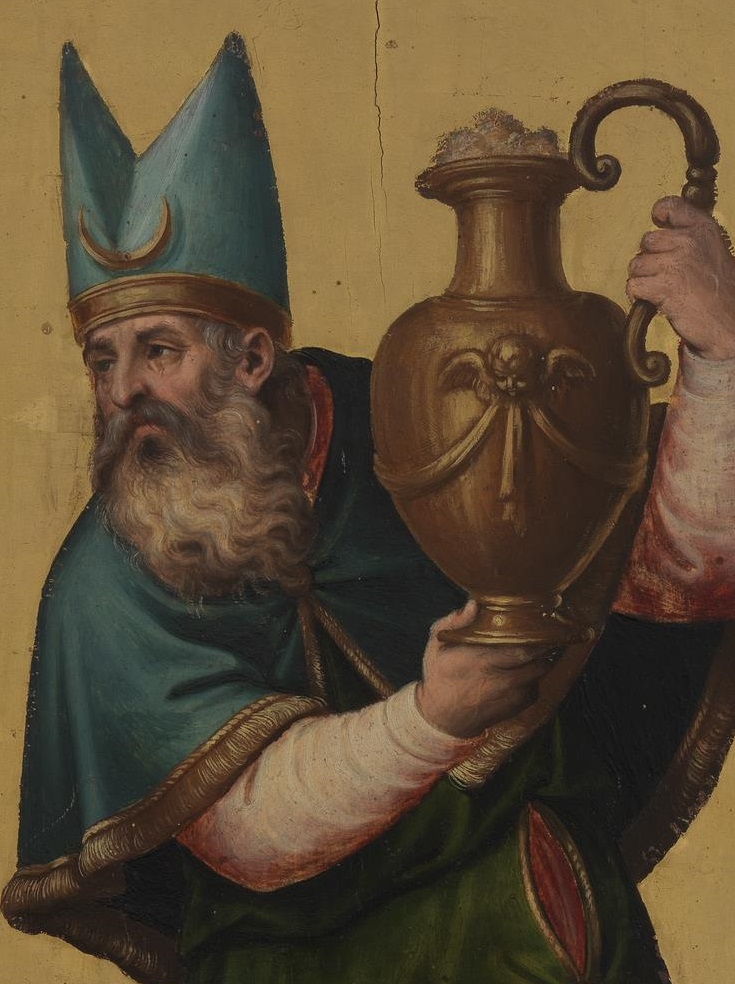
The name Aaron resonates across millennia, a powerful identifier found in ancient texts and contemporary society alike. While some searches might lead to inquiries about modern personalities and their public profiles, such as a casual query for "aaron kwok net worth," our comprehensive exploration today delves into a figure of profound historical and spiritual significance: Aaron, the elder brother of Moses and the first High Priest of Israel. His story is etched into the very foundation of Abrahamic faiths, embodying unparalleled leadership, sacred service, and a pivotal role in shaping the identity of a nascent nation. Understanding Aaron’s biblical journey offers invaluable insights into the origins of priestly duties, the complexities of divine revelation, and the enduring power of faith that continues to inspire millions.
Aaron: Moses' Crucial Spokesman and Architect of Israelite Identity
Aaron holds an undeniably prominent and often underappreciated role in biblical history. Born into the Hebrew tribe of Levi during a period of brutal Egyptian enslavement, his life was intertwined with the destiny of his people from the outset. As the elder brother of Moses, he was divinely appointed to be his sibling's spokesman, a critical and challenging task given Moses’ reported hesitancy in public speaking. This partnership was instrumental in confronting Pharaoh, demanding the release of the Israelite people from bondage. Aaron's articulate voice and steadfast presence beside Moses marked a pivotal point in their arduous journey to freedom.
Their encounters with Pharaoh were not merely political negotiations; they were spiritual battles where Aaron, with his staff transforming into a serpent and his involvement in several plagues, acted as an agent of God's power. His unwavering support for Moses during this harrowing period solidified his position as a crucial leader. Through their combined efforts, the Israelites were led out of Egypt, beginning a transformative exodus that would define their identity for generations. Aaron’s actions during this formative period directly contributed to the establishment of a distinct identity for the Israelites, setting the stage for their unique covenant with God at Mount Sinai.
This early leadership showcased Aaron's capacity for unwavering devotion and resilience. He was not just a mouthpiece for Moses; he was a co-leader in a monumental undertaking, facing down the most powerful empire of the ancient world. His courage and obedience laid essential groundwork for the spiritual and communal structures that would soon follow.
Decoding the Name: "Light-Bringer" and "Mountain of Strength"
The very name Aaron carries deep symbolic meaning, often translated as "light-bringer" or "mountain of strength." These interpretations perfectly reflect his character, his God-given responsibilities, and the monumental weight he carried throughout his life. As the first High Priest, Aaron was indeed a light-bringer, guiding the Israelites through the nascent stages of their spiritual journey through worship, rituals, and the exposition of divine law. His role was to illuminate the path to God, making the sacred accessible to the common people through mediation and ceremony.
Furthermore, the "mountain of strength" aspect of his name aptly describes his steadfastness and his crucial role in providing spiritual fortitude to a fledgling nation. In times of doubt, rebellion, and fear, Aaron was a pillar. Even when he faltered, such as with the Golden Calf incident (Exodus 32), his overall trajectory was one of profound strength and dedication to his divine calling. His name wasn't merely a label; it was a prophetic descriptor of the unwavering spiritual leadership he would embody, emphasizing devotion, community, and the foundational importance of faith within the Israelite community. For generations to come, the name Aaron would symbolize resilience and spiritual authority.
Fact: The name Aaron is believed to have Egyptian roots by some scholars, connecting to meanings like "exalted one" or "mountain of strength," reinforcing his elevated status.
The Inaugural High Priest: Sacred Duties and Rituals
Aaron's most enduring legacy stems from his appointment as the first High Priest of Israel. This wasn't merely a title; it was a divine office that established foundational practices for the future priesthood and, by extension, for the very structure of Israelite worship. His role centered on bridging the gap between a holy God and His human covenant people, maintaining a sacred relationship through precise spiritual leadership.
His primary responsibilities were manifold and meticulously detailed in the Torah:
- Performing Sacrifices: Aaron, and subsequent High Priests, were tasked with offering prescribed sacrifices on behalf of the people and themselves. These rituals, ranging from sin offerings to burnt offerings, were acts of atonement, thanksgiving, and communion, essential for maintaining spiritual purity and God's presence among them.
- Conducting Rituals: Beyond sacrifices, Aaron oversaw numerous rituals, including purification ceremonies, blessing the people, and consecrating sacred items. These actions were not just ceremonial; they underscored the gravity of their relationship with the Divine, serving as a constant reminder of their unique status and the necessity of atonement for sin.
- Offering Prayers: As the chief intercessor, Aaron offered prayers on behalf of the entire community, bringing their supplications and confessions before God.
- Managing the Tabernacle: He was responsible for the sanctity and operation of the Tabernacle, the portable sanctuary where God's presence dwelled. Ensuring the sacred space remained pure and its furnishings were properly maintained was a monumental task, highlighting the reverence required in God's presence.
- Wearing Sacred Garments: Aaron was clothed in specific garments – the ephod, the breastplate with twelve precious stones representing the tribes, and the Urim and Thummim for divine guidance – each piece imbued with profound symbolic meaning, representing his unique role as mediator.
Aaron’s priestly duties carried deep symbolic meaning in Israelite worship. He stood as the ultimate representative, his actions connecting God and His people, ensuring access to divine grace and forgiveness. The altar where sacrifices were made became the focal point of this spiritual exchange, a testament to the ongoing covenant. To delve deeper into the intricacies of this foundational role, you might want to explore Uncover the Biblical Meaning of Aaron: Role as High Priest.
Aaron's Enduring Legacy and Impact
The impact of Aaron’s life and ministry extends far beyond his immediate generation. His actions laid the groundwork for the Levitical priesthood, an institution that would serve Israel for centuries, shaping its religious, legal, and social fabric. The detailed laws concerning priestly service, rituals, and holiness found in books like Exodus, Leviticus, and Numbers are a direct reflection of the divine establishment of Aaron's office.
Aaron’s legacy is paramount for both Judaism and Christianity:
- In Judaism: He remains the archetype of the High Priest, his line continuing to serve as spiritual leaders. The traditions and rituals he inaugurated continue to influence Jewish prayer and practice, emphasizing the importance of holiness, atonement, and communal worship.
- In Christianity: Aaron's priesthood serves as a foundational "type" or foreshadowing of Jesus Christ, who is described as the ultimate High Priest, offering a perfect, once-for-all sacrifice. The sacrifices Aaron performed pointed towards the ultimate redemption found in Christ, making Aaron’s role a crucial part of understanding salvation history.
Beyond his institutional legacy, Aaron’s life offers timeless lessons in leadership, service, and intercession. He teaches us about the profound responsibility that comes with spiritual authority, the challenges of mediating between humanity and the divine, and the importance of unwavering dedication to a higher calling, even when faced with immense pressure or personal failings. His story underscores that leadership often requires serving in the shadow of another, yet making indispensable contributions. For a broader understanding of his impact on the fledgling nation, consider reading Aaron's Legacy: Leadership, Exodus, and Israelite Identity.
Practical Tips from Aaron's Journey:
- Embrace Your Supporting Role: Aaron’s willingness to serve as Moses' spokesman, despite his own leadership potential, highlights the value of supporting others in shared missions.
- Understand the Weight of Your Calling: Whether in spiritual or secular roles, Aaron's meticulous adherence to duty reminds us to approach our responsibilities with reverence and care.
- Learn from Mistakes: Even after the profound error of the Golden Calf, Aaron was restored to his office, demonstrating God's grace and the possibility of redemption and continued service.
In conclusion, Aaron, the first High Priest, is far more than a supporting character in the Exodus narrative. He is a pivotal figure whose sacred duties, unwavering support for Moses, and the establishment of the Aaronic priesthood profoundly shaped the spiritual and communal identity of ancient Israel. His name, symbolizing "light-bringer" and "mountain of strength," perfectly encapsulated his role as mediator, guide, and foundational leader. His legacy reverberates through centuries, continuing to inspire contemplation on leadership, service, and the profound connection between humanity and the divine, leaving an indelible mark on religious thought and practice that endures to this day.
